
Strange Times
We live in strange times. Unprecedented times. A global pandemic; economic uncertainty and one of the most difficult to enter job markets of all time – there is not much hope in times like these. At least not much stability.
But the one thing we do have in times like these is time.
The several lockdowns the UK experienced due to the Covid-19 pandemic taught us quite a lot about ourselves, and what we would do with that time. Without the ability or need to commute, and with many of us on furlough, we faced the truth about what we would do and how we would spend our time when we had so much more of it to ourselves.
And for a little while, many of us were extraordinarily productive, doing things like making bread; working out from home or getting back in touch with a language we always promised ourselves we would learn. With the gaps left to us in the absence of work, we spent those extra, precious hours doing the things we loved, making the best of a period of unprecedented loneliness.
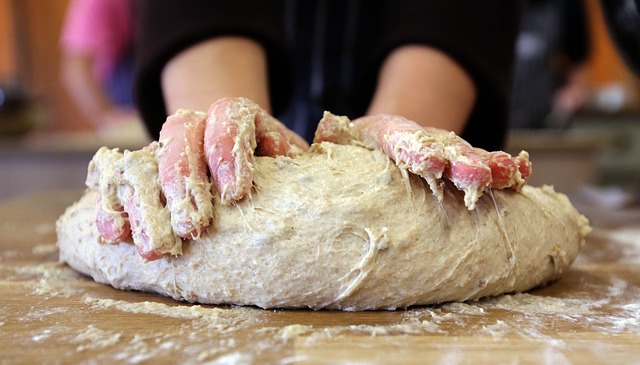
For a little while, many of us were extraordinarily productive, doing things like making bread; working out from home or getting back in touch with a language we always promised ourselves we would learn.
Slipping
But as is always inevitable with our funny little species, we started to slip. Perhaps we started to spend 5 minutes less on Duolingo each day; perhaps sometimes we just skipped it altogether. I want to make it clear I do not judge anyone for this, nor do I write from a position of superiority. I slacked off my French practice too, and to be honest, I do not even think that’s a bad thing. Your time is yours; where and how you choose to spend it is your choice. We all have our own lives to lead, and sitting doing nothing sometimes is a necessary part of it.
That’s not an accepted concept by and large – it’s certainly not one we have been taught to live by. I remember talking to some friends when things started to open up again, as once again society emerged like a yawning bear from the woods and headed off toward the morning commuter trains. Some told me how relieved they were that things were open again, that they could get back to the office and work. That they felt a sort of guilt start to lift as they became “productive” once again.
And I remember agreeing, though I am not quite sure why. What about all the conversations we’d had, lamenting work, the office and the need to spend hours a day travelling each way? What about the creak in your old chair you bemoaned daily, the slightly artificial light from the ceiling bulbs that were too harsh on your eyes? You hated your cubicle, and now you’ve coated it in sugar.
Change
When did this change in attitude happen, and why?
Are our lives so much better for being able to work in person again – to have so much less time for ourselves? Perhaps we don’t always use that time how we “should”, perhaps often we don’t, but isn’t it important to have time for ourselves even if it is just to waste it how we want?
I find myself wondering if my friends really did miss the office, or they just felt some slight, intangible pull of guilt for not being productive enough, for not spending enough time thinking about work, or talking about it or getting to it. Lockdown was a brief reprieve in some ways, but perhaps really it just built-up anxiety in a culture where we are told time not working or productive is time wasted? Time irrevocably lost.
Lessons Learned
I think it is important to learn the lessons of lockdown, and this is one of them. I think it’s okay that you spent time learning new things or relearning the things you’d put down for a while. And I think it’s okay when you slowly put those things down again, sat them in their drawer and slid it shut. There’s nothing wrong with doing nothing, with spending your time how you see fit. That’s not to say no one should ever do anything, but I think the anxiety around work and post-lockdown life has made me appreciate the little things, like lying on my couch on my phone, trying and failing, to not fall asleep.
To learn about other ways the Covid-19 pandemic has affected our wellbeing, read this post by another GIS author.
If you’re interested, click this link to understand more about how the mental health of today’s youth are being detrimentally affected by the modern world.